

What is laser mode output control?
Laser mode control is the process of adjusting laser operating parameters (beam shape, power distribution, and other parameters) to control specific laser modes (e.g., Gaussian, Helmholtz, and other specialized modes). This adjustment affects the laser beam quality, focusing characteristics, and energy transfer efficiency, allowing for optimization of laser performance in various technological processes and applications. Fine-tuning the laser mode output improves the precision and productivity of operations such as laser welding, cutting, and marking, fully satisfying the laser beam performance requirements for specific tasks.
Advantages of laser mode output control
Laser mode control technology offers numerous advantages: fine-tuning of laser beam parameters, increased productivity and processing quality, increased process flexibility, reduced energy consumption and costs, and improved equipment stability and reliability. These advantages have led to widespread adoption of this technology in the laser processing industry and the advancement of laser technology.
• Increased radiation efficiency
Controlling the mode output allows the beam energy to be concentrated in the desired area, thereby increasing the productivity of laser processing.
• Improving the quality of the laser beam
Laser mode control optimizes beam quality (including reduced scattering), ensuring excellent focusing properties and efficient energy transfer during operation.
• Reduction of heat-affected zone
Precise control of laser power distribution thanks to modal regulation allows for a reduction in the heat-affected zone on the material and prevents it from overheating during processing.
• Adaptation to different application tasks
Different technological operations (marking, cutting, welding, and others) place varying demands on the laser beam shape. Mode output control allows for the beam shape and energy distribution to be adjusted to specific production needs.
Application of laser mode output control in industrial production
Laser mode control technology is crucial for any process requiring high precision, high-quality processing, and optimal energy distribution. Due to its high precision and performance, it is widely used in materials processing, laser welding, drilling, laser cutting, surface treatment, and quality control.
What is laser mode output control?
- Exhibition activities
Posted by Taylor Industrial Technologies | Laser Equipment Manufacturing On Jul 24 2026
Featured Blogs
Share On
Featured Blogs
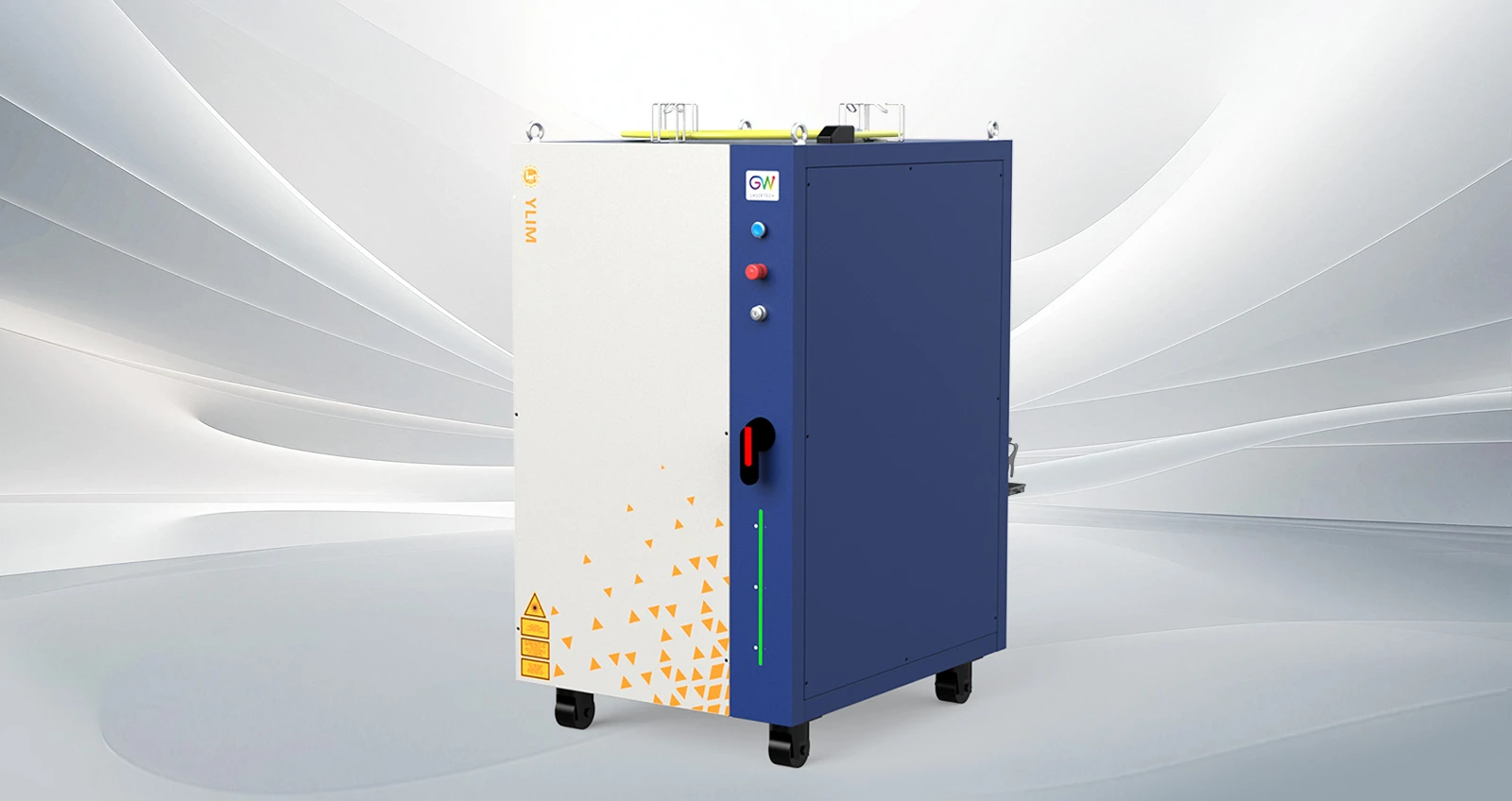
What is laser mode output control?
What is laser mode output control? Laser mode control is the process of adjusting laser operating parameters (beam shape, power distribution, and other parameters) to control specific laser modes (e.g., Gaussian, Helmholtz, and other specialized modes). This adjustment affects the laser beam quality, focusing characteristics, and energy transfer efficiency, allowing for optimization of laser performance in various technological processes and applications. Fine-tuning the laser mode output improves the precision and productivity of operations such as laser welding, cutting, and marking, fully satisfying the laser beam performance requirements for specific tasks.
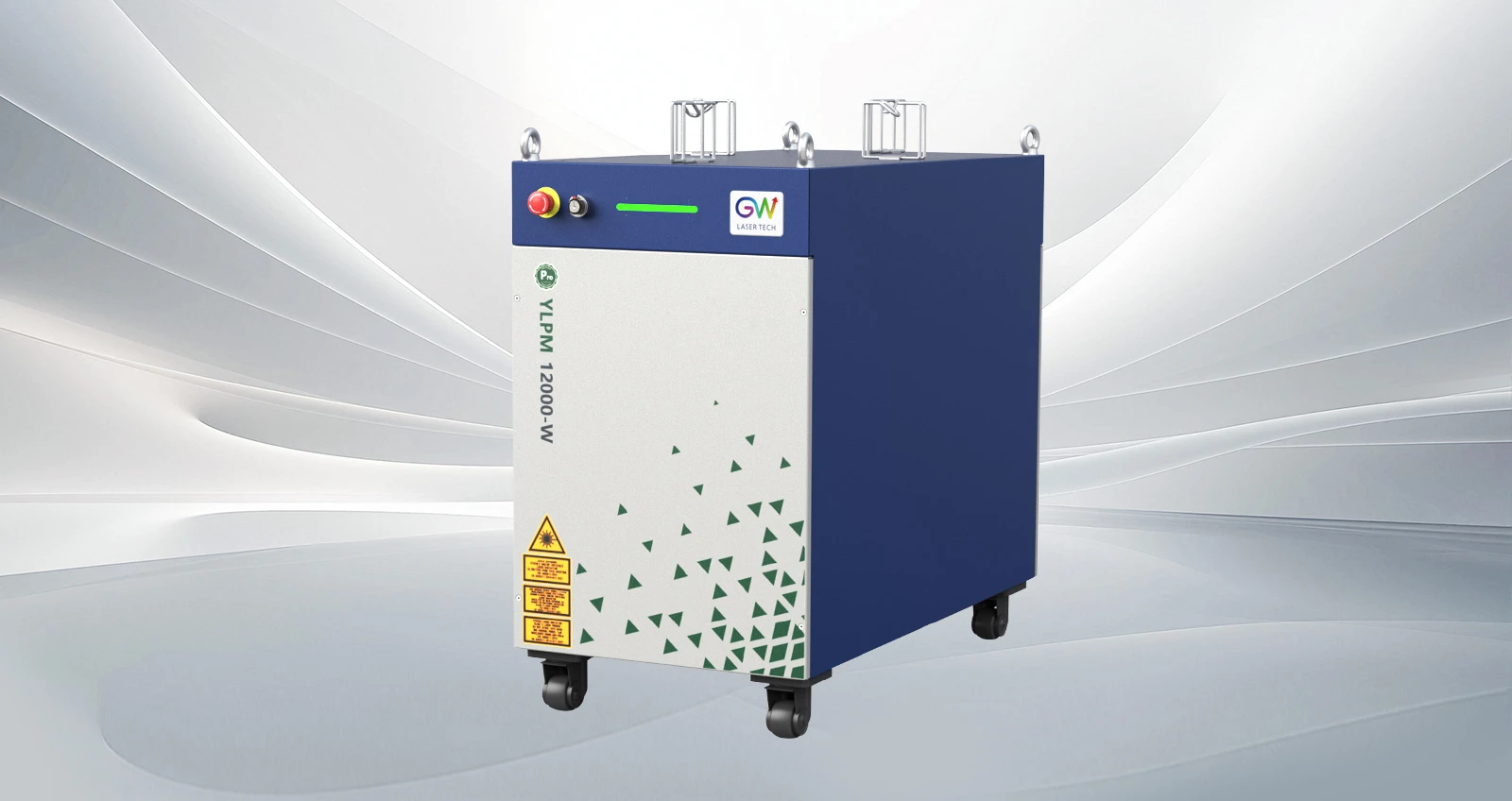
What is FRM laser?
What is FRM laser? The FRM (Flexible Ring Mode) laser generates two independently controlled coaxial laser beams through a single fiber. The two beams are separately injected into the fiber core and its outer ring coating, then focused onto the workpiece surface to form a composite light spot. This opens up wide possibilities and flexibility for laser welding technologies.
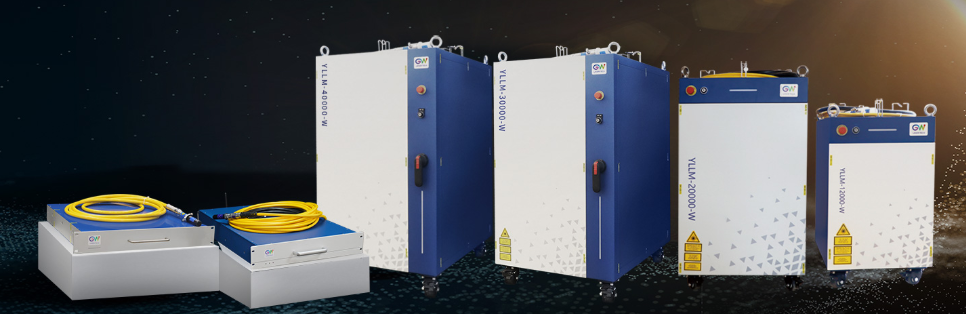
What is high-efficiency 976nm optical pumping technology?
What is high-efficiency 976nm optical pumping technology? Highly efficient 976 nm dual-side pumping technology is a method for generating and amplifying optical signals by exciting the gain medium with specialized fixed-wavelength laser pump sources. The technology's core principle is the use of 976 nm laser emitters and a dual-side pumping scheme to enhance the overall efficiency of the laser system, increase output power, and improve operational characteristics. Advantages of highly efficient 976 nm pump technology

What is a laser?
What is a laser? Laser is an acronym for "Light Amplification by Stimulated Emission of Radiation." Laser generation is based on the phenomenon of stimulated emission: this process occurs in specialized materials (gases, semiconductors, solids, or liquids) under the influence of external energy. A laser beam is strictly monochromatic, meaning the radiation from the laser source is characterized by a single wavelength, without dispersion across the spectrum—essentially pure monochrome light. The laser beam propagates with high directivity, possesses concentrated energy, and maintains focus even over long distances.