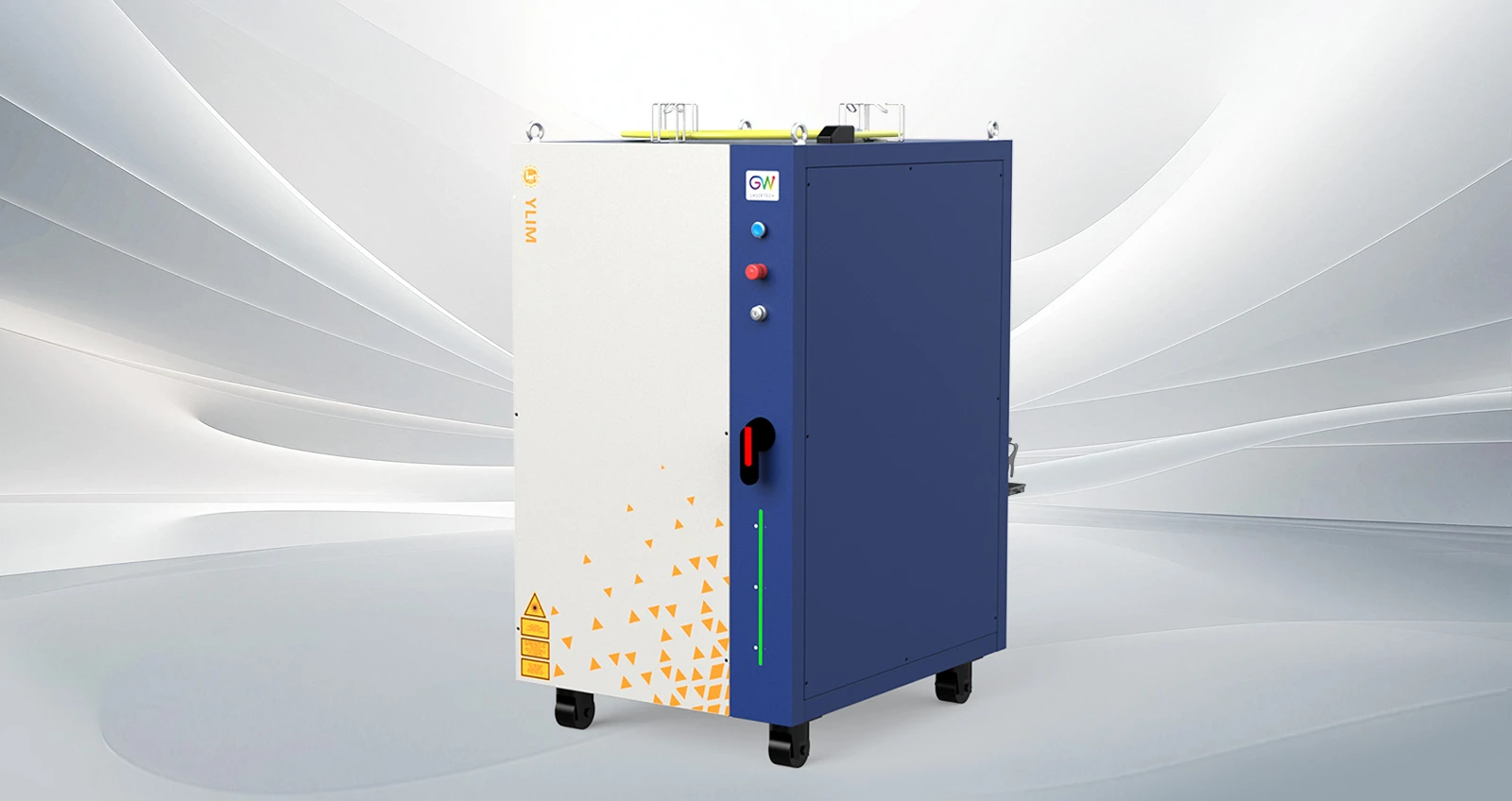
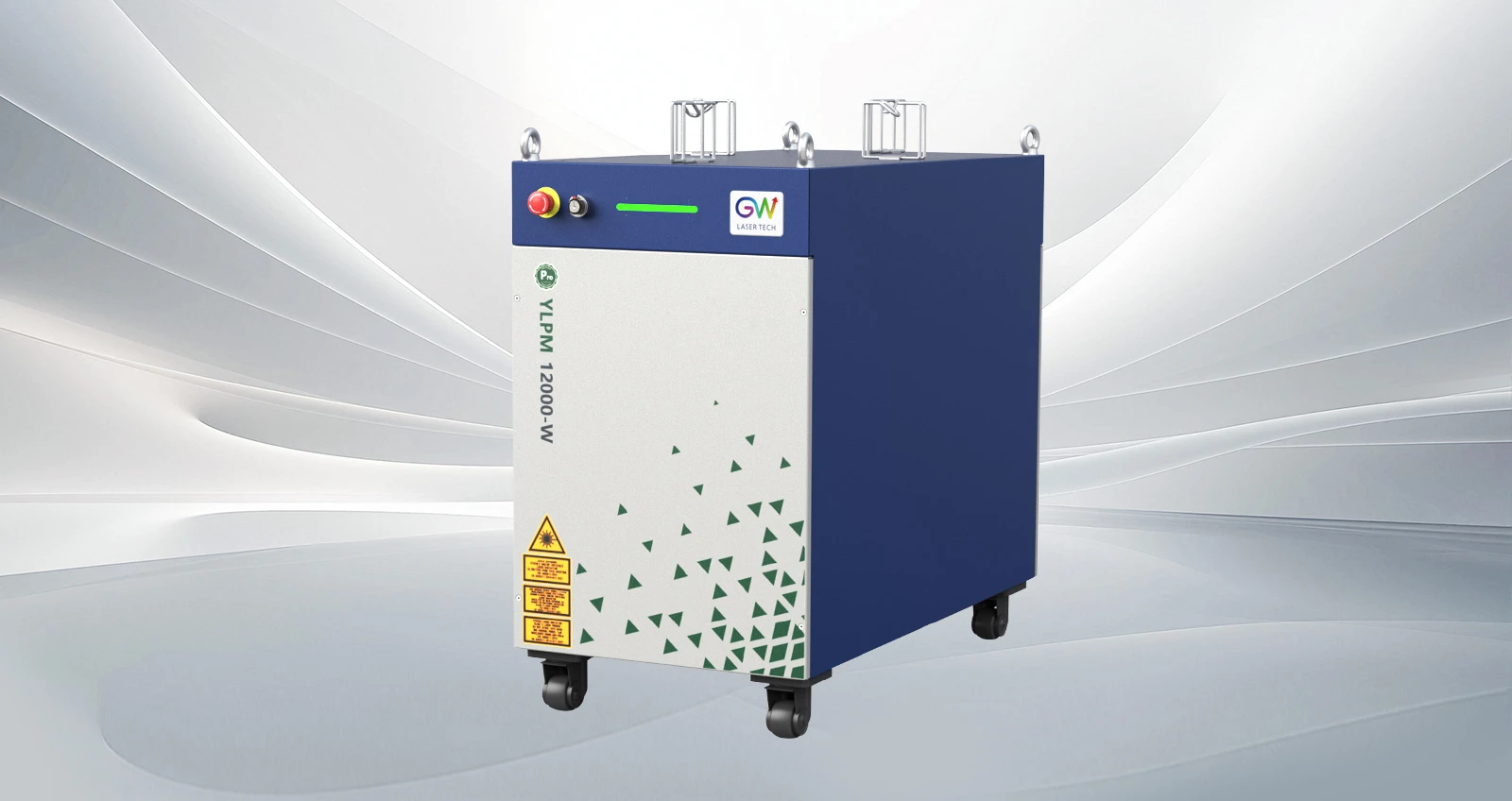
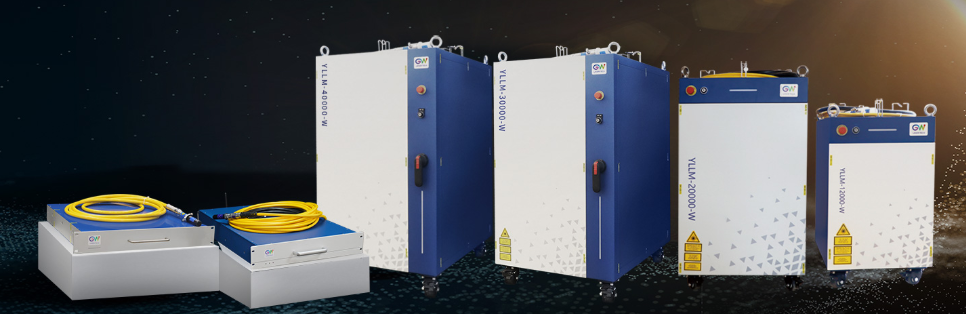
What is FRM laser?
The FRM (Flexible Ring Mode) laser generates two independently controlled coaxial laser beams through a single fiber. The two beams are separately injected into the fiber core and its outer ring coating, then focused onto the workpiece surface to form a composite light spot. This opens up wide possibilities and flexibility for laser welding technologies.
Technical principle and advantages
The specific operating principle of FRM lasers may vary depending on the brand and model, but they are always based on precise beam control and modulation. This control allows FRM lasers to provide increased flexibility and precision during processing. Compared to conventional lasers, they feature a lower temperature gradient, stable metal flow in the melting pool, and minimal spatter. These advantages increase processing productivity, reduce costs, and improve the quality of finished products.
Advantages of laser processing with adjustable multi-beam output
Lasers with adjustable multibeam output offer a number of processing advantages: increased productivity, greater process flexibility, increased processing precision, reduced energy consumption and costs, and the ability to implement complex processing modes. This allows these lasers to offer a wide range of applications and significant development potential in the field of laser materials processing.
- Wide process window, dynamic adjustment of laser beam parameters. Flexible adaptation to various industrial scenarios, meeting the stringent requirements of complex processing technologies.
- Highly stable quality of the annular laser spot, which significantly stabilizes the melting bath, improves the quality of the weld seam and significantly increases the percentage of good products.
- The high-brightness central beam and the annular beam are controlled independently. The combination of the inner and outer beams allows for preheating, post-heat treatment, surface treatment, and other operations.
- Designed specifically for processing highly reflective materials, it increases the reliability and service life of laser equipment. Increased processing productivity further reduces the cost of production operations.
Comparison of FRM laser welding with traditional laser welding
A key feature of FRM laser welding with adjustable multi-beam output is the ability to generate multiple light spot modes with flexible adjustment to any welding task. Traditional single-beam laser welding uses only one fixed beam mode, making it difficult to adapt to a variety of welding conditions.
In terms of welding quality, FRM technology provides precise control of heat input and melt pool shape, minimizing welding defects. Furthermore, FRM technology reduces the heat-affected zone during welding, reduces the risk of deformation and cracking of workpieces, and improves the strength and tightness of welded joints.
Applications of FRM lasers
FRM lasers are widely used in laser welding. Specifically, they are suitable for high-speed, spatter-free welding of busbars and square battery terminals, producing high-quality welds. This equipment is also used for sealing welding of cylindrical batteries, ensuring the absence of cold weld seams, metal slag, burn-through, and internal pores and cracks in the weld joint.