Introduction to Laser Cutting Reflective Materials
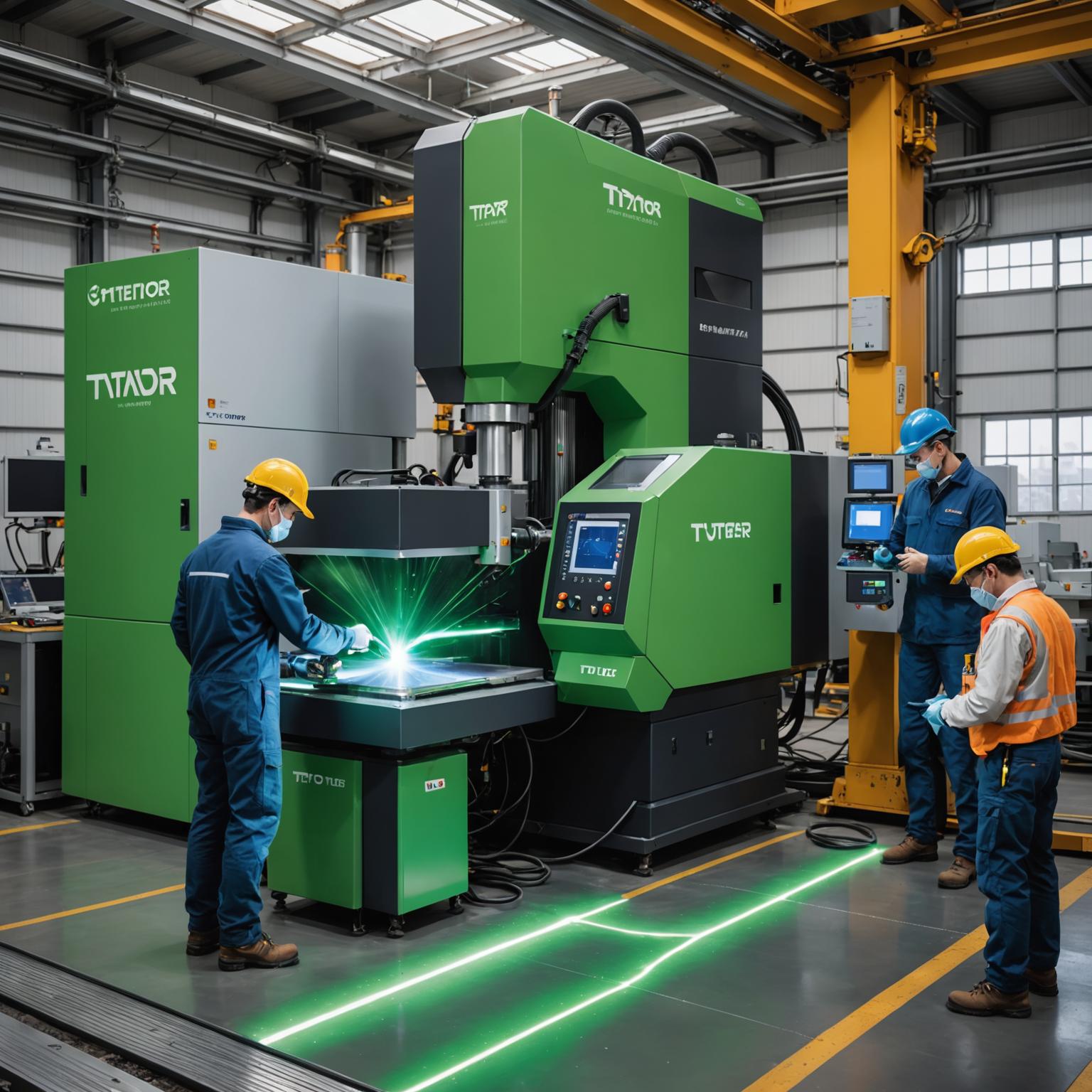
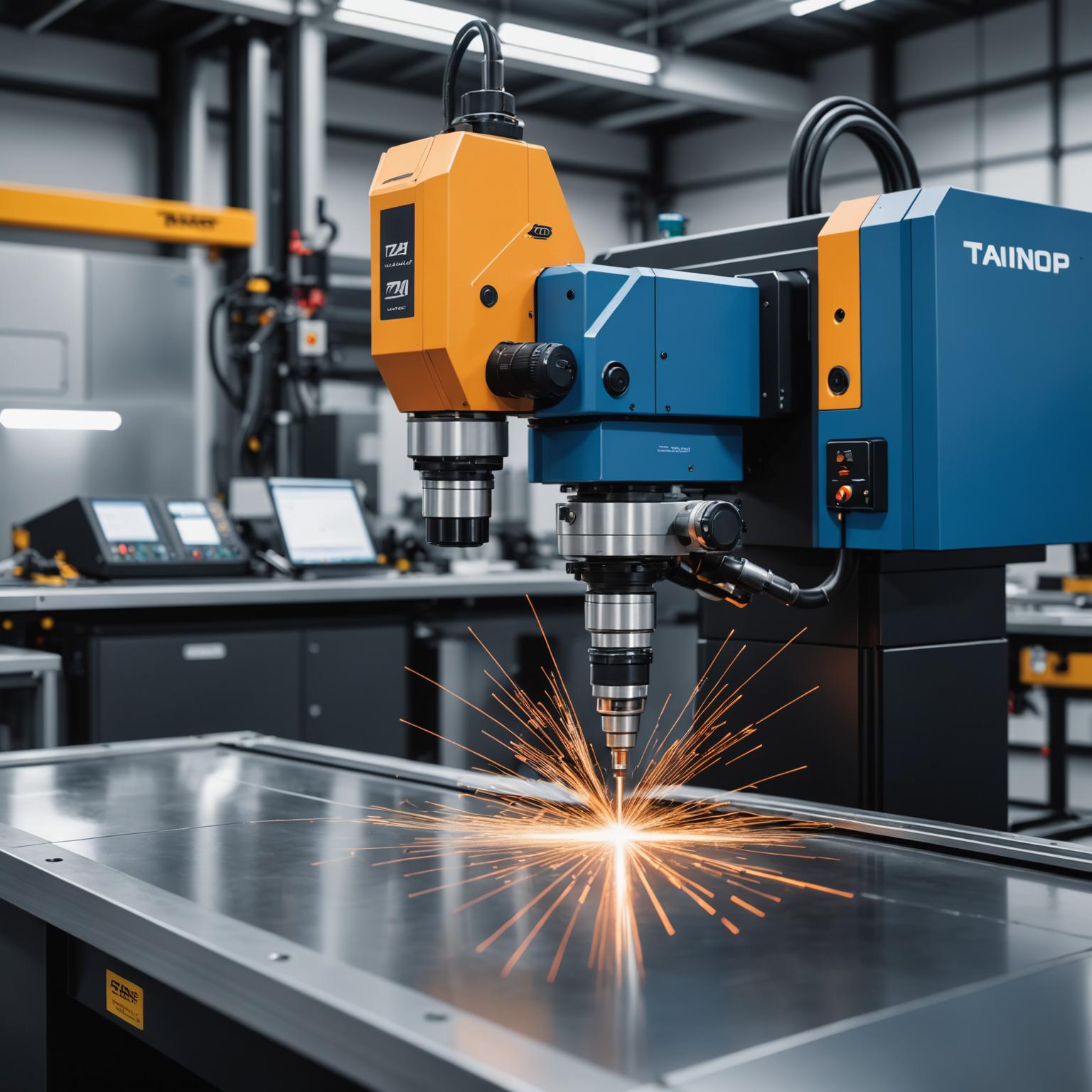
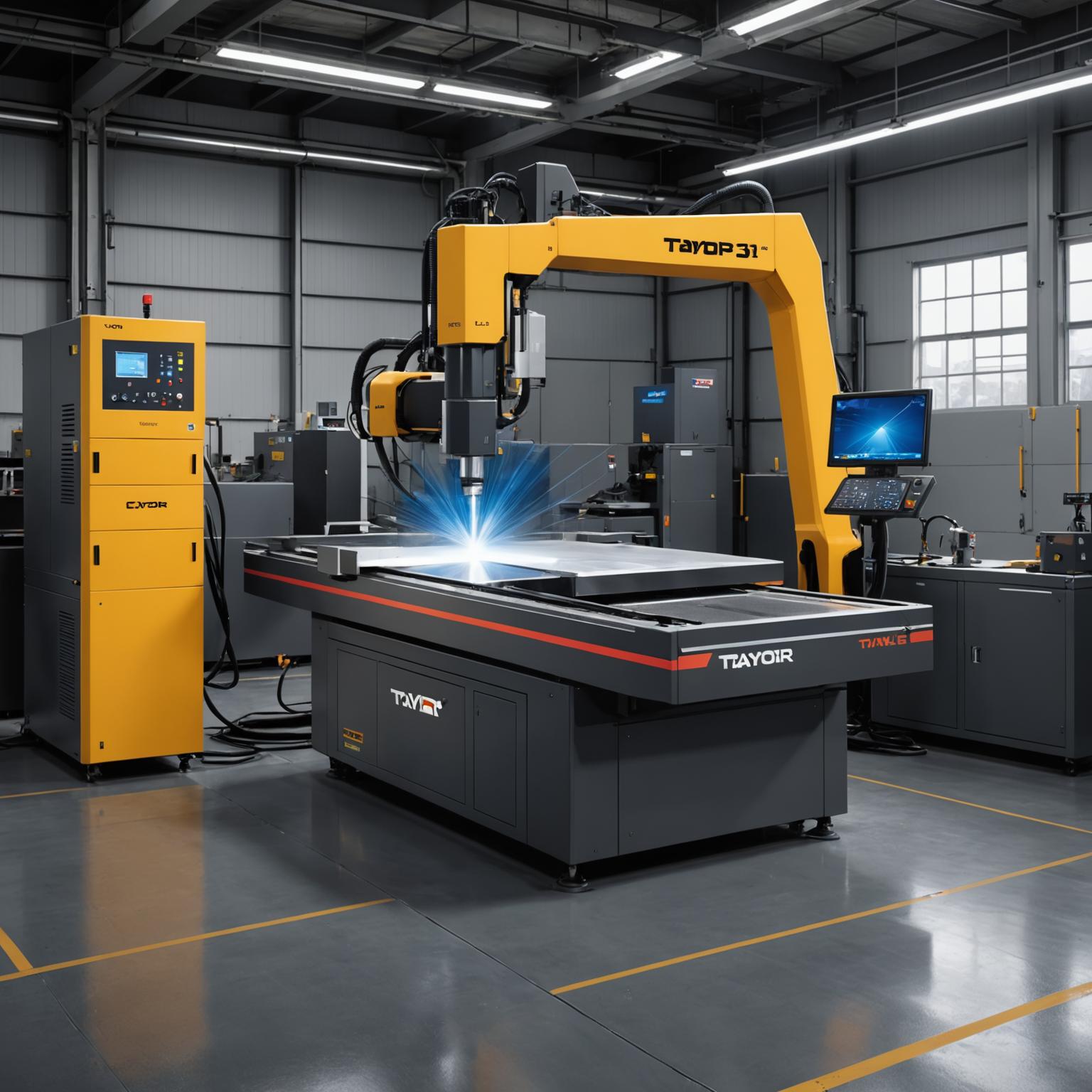
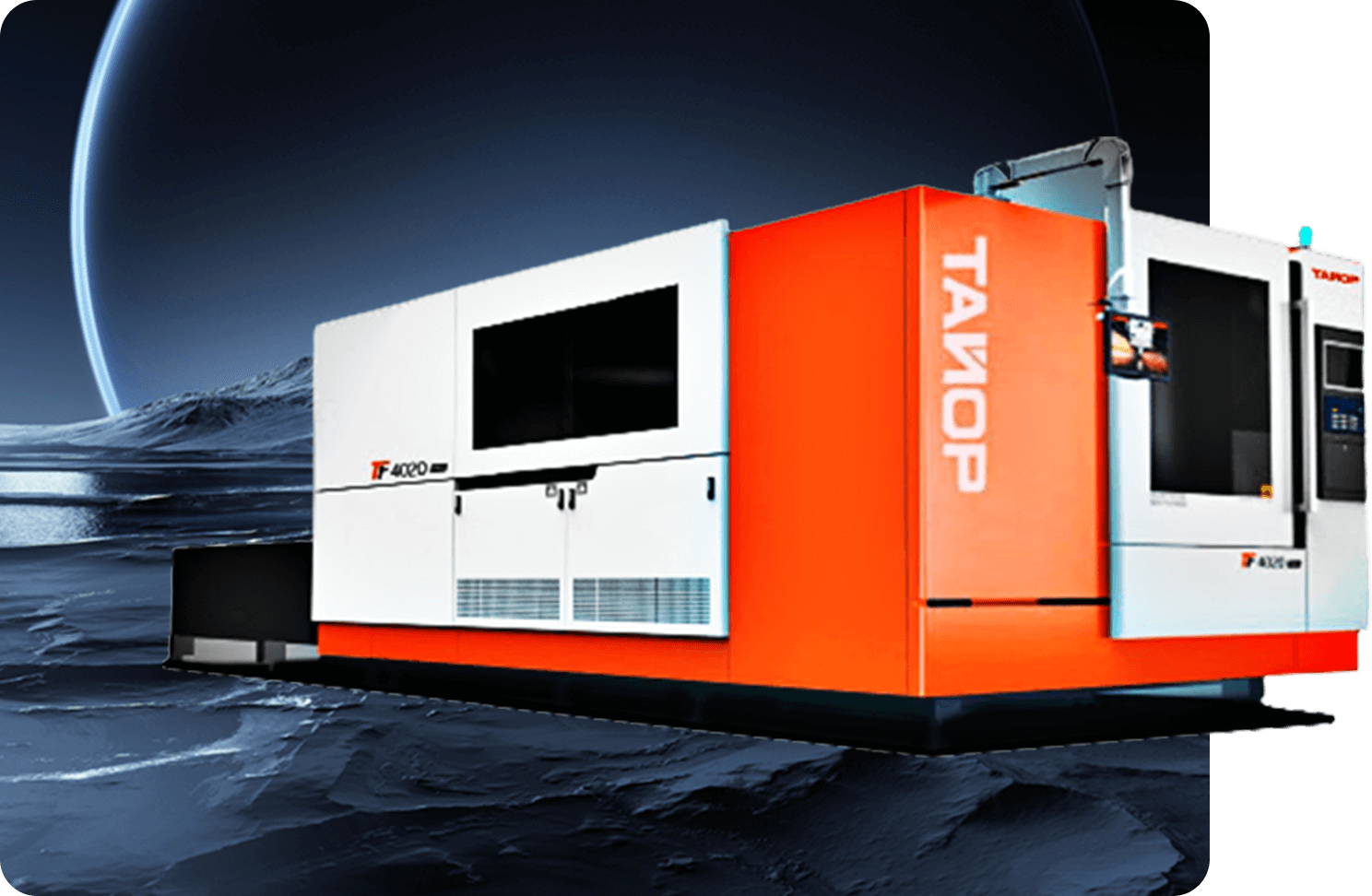
Laser cutting reflective materials, a specialized laser cutting technique, has become increasingly vital in industries such as automotive, construction, and aerospace. This advanced method allows manufacturers to work with challenging materials like aluminum, brass, and copper, which are highly reflective by nature. Unlike traditional cutting methods, laser technology offers precision and efficiency, making it possible to shape these complex materials for various applications.
Reflective materials present unique challenges during cutting processes, as they tend to reflect the laser beam, potentially causing equipment damage or reducing the quality of the cut. In this article, we will explore how cutting metals with lasers, specifically reflective ones, is made possible, and dive into the solutions developed to tackle reflective metal laser cutting challenges.
The Challenges of Cutting Reflective Metals with Lasers
Reflective metals like copper and brass are known for their ability to reflect light and heat. When using laser cutters on these materials, this reflective property can pose several issues. First, the laser beam may bounce back toward the cutting device, potentially damaging its internal components. This phenomenon, known as back-reflection, can lead to costly repairs and maintenance downtime.
Additionally, the reflectivity of these metals often results in inconsistent cuts. Energy from the laser beam is not fully absorbed by the material, which may cause uneven edges or incomplete cuts. This inconsistency can compromise the quality and precision of the final product, especially in industries where precision is critical.
Moreover, reflective materials tend to conduct heat efficiently, dispersing the laser's energy rapidly. As a result, achieving a focused and effective cut can be more challenging, requiring higher energy levels and advanced equipment.
Technological Advances in Laser Cutting Reflective Materials
Thanks to advancements in laser cutting technology, many of the issues associated with reflective metal laser cutting challenges have been mitigated. Modern laser systems are equipped with high-power fiber lasers and adaptive optics designed specifically for reflective materials. Fiber lasers are particularly effective, as their shorter wavelengths are less prone to reflection and enable a higher level of precision.
Machine manufacturers have also introduced anti-reflective coatings and protective lenses to safeguard equipment against back-reflection. These coatings help to ensure that even if a laser beam is reflected, it does not harm the cutting apparatus, making the process safer and more reliable.
Additionally, gas-assisted cutting has become an essential part of the process. Gases like nitrogen or oxygen are injected at high speeds into the cutting area, aiding in the removal of molten metal and improving the cut's quality. This method counters the challenges posed by the heat conduction properties of reflective materials.
Best Practices for Laser Cutting Reflective Metals
To achieve optimal results when laser cutting reflective materials, certain best practices should be followed:
1. **Choose the Right Laser Type:** Fiber lasers are highly recommended for reflective metals due to their shorter wavelength and higher efficiency. They are less likely to be affected by the reflective nature of the material.
2. **Proper Material Preparation:** Ensure that the material’s surface is clean and free of contaminants. A clean surface allows the laser beam to interact with the material more effectively, improving the quality of the cut.
3. **Utilize Anti-Reflective Features:** Ensure that your laser cutting equipment is equipped with anti-reflective coatings, optics, and protective measures to safeguard against back-reflection.
4. **Optimize Cutting Parameters:** Adjust the laser's power, speed, and focus to suit the material's reflectivity and thickness. Testing different settings on sample pieces can prevent errors during production.
5. **Incorporate Assisted Gas Technology:** Using gases like oxygen or nitrogen helps remove debris and maintain a clean cut. The gas also reduces the risk of overheating during the cutting process.
Applications of Laser Cutting Reflective Materials
The ability to cut reflective materials with lasers has opened up exciting possibilities across multiple industries. Here are some of the top applications:
- **Electronics Industry:** Copper is widely used in electronic components such as circuit boards and connectors. Laser cutting enables precise shaping of these parts, ensuring high performance.
- **Aerospace:** Reflective metals like aluminum are often used in aerospace applications, where lightweight and strong materials are required. Laser cutting ensures that complex designs are executed with precision.
- **Automotive:** Brass and aluminum are common in automotive manufacturing. Laser cutting streamlines the production of components like radiators and heat sinks, contributing to efficient and high-quality vehicles.
- **Decorative Arts:** Reflective metals like brass and bronze are favored in artistic and architectural designs. Laser cutting allows intricate patterns and designs to be created with ease.
Conclusion
Laser cutting reflective materials has revolutionized manufacturing processes by enabling the precise and efficient shaping of challenging materials like aluminum, copper, and brass. While reflective metal laser cutting challenges remain, innovations such as fiber lasers, anti-reflective coatings, and gas-assisted cutting have made the process more reliable and effective.
By adopting best practices and staying up-to-date with technological advancements, manufacturers can fully leverage the benefits of laser cutting reflective materials. This approach not only boosts productivity and quality but also propels industries toward a brighter, more innovative future.